How to Find Honest Mechanics in Albuquerque
Table of Contents
Last Updated: October 14, 2026
How to Find Honest Mechanics in Albuquerque: A Step-by-Step Guide
Finding honest mechanics in Albuquerque starts with knowing what honesty looks like before you hand over your keys.
Many drivers have been burned by a shop that "found" expensive problems on every visit. So how do you tell the good shops from the bad ones before you spend a dime?
Below, we break down the steps to vet a mechanic, read an estimate, check reviews, and know when to walk away, plus what consumer protections exist in New Mexico if a repair goes wrong.
Key Takeaway Honesty in auto repair is not about being the cheapest. It is about clear communication, written estimates, and a shop that can prove why a repair is needed.
Signs of an Honest Mechanic
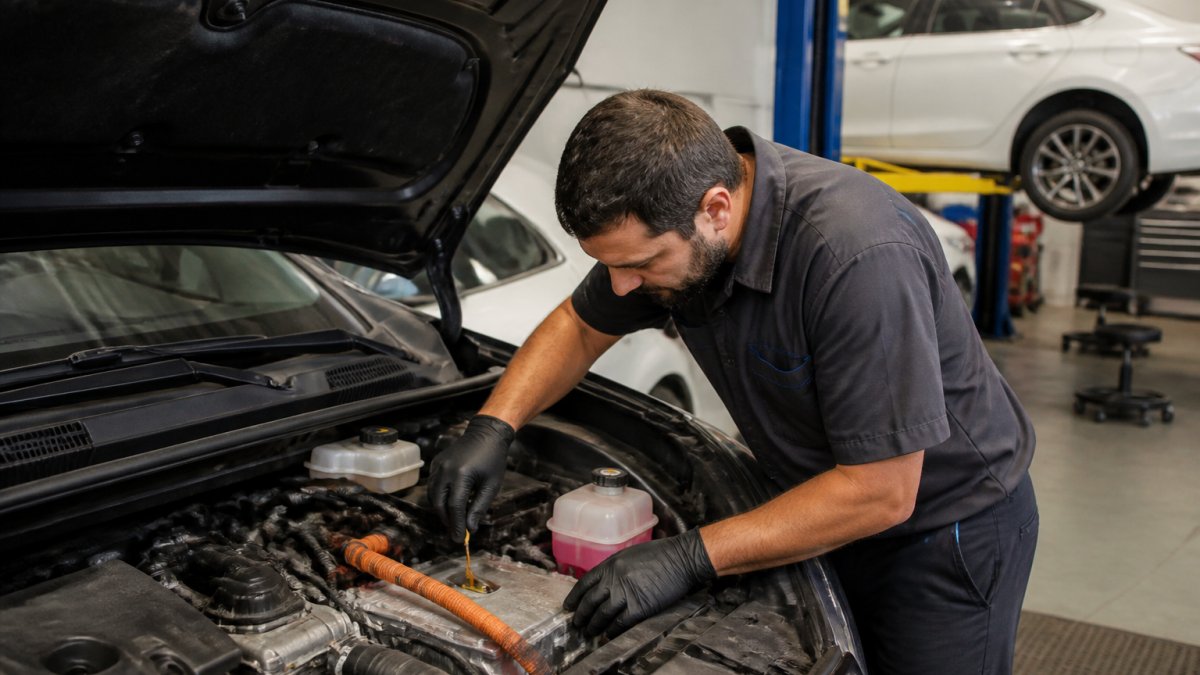
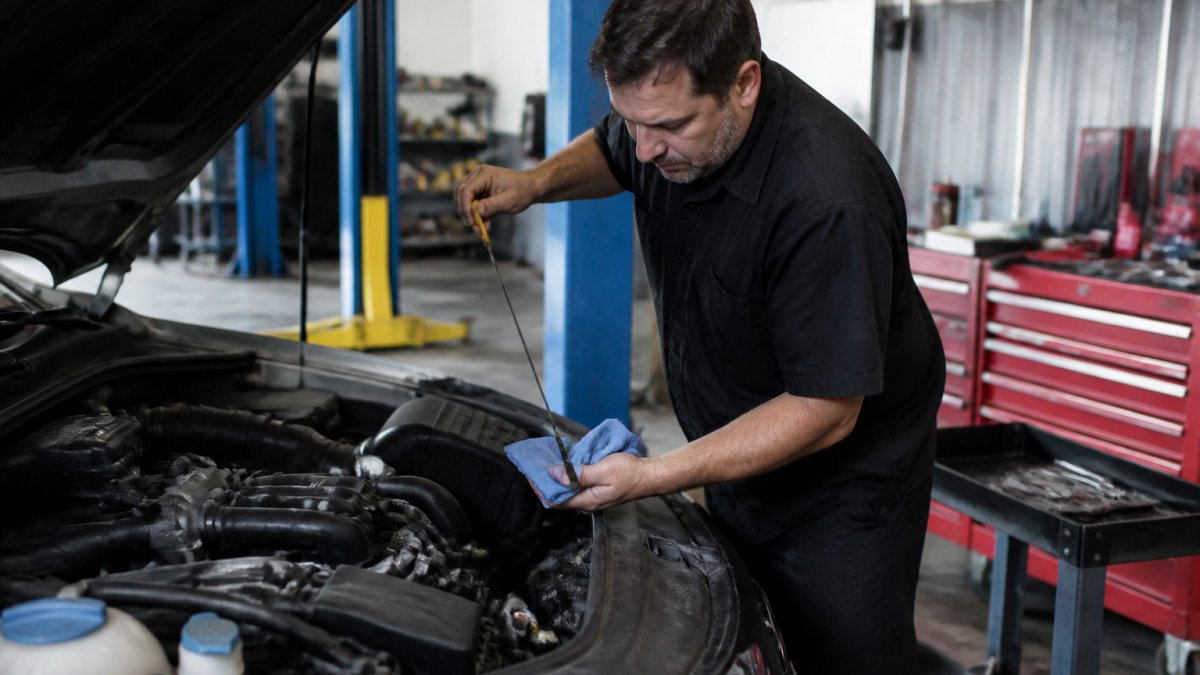
An honest mechanic gives you a written estimate before any work begins and explains every recommended repair in plain language. That single habit separates trustworthy shops from the ones that pad bills.
Watch for these signals:
They hand you a written estimate, not a verbal guess
They show you the worn part or explain the test that found the problem
They separate "needs it now" from "can wait a few months"
Transparency in Recommendations and Pricing
Good shops rank repairs by urgency. A critical repair affects safety or could cause bigger damage if ignored; a deferred repair can wait, and a good shop will say so plainly.
Ask any shop to sort your list into three groups:
Fix now (safety or further damage risk)
Fix soon (within a few months)
Monitor (check again at your next visit)
If a shop cannot explain why a repair is urgent, that is a warning sign. Honest auto repair shops welcome a second opinion. They know their work stands up to review.
Warranty, Communication, and Respect for Your Time
A trustworthy shop stands behind its work with a written warranty. Ask what is covered and for how long, in writing, not just a verbal promise.
You should also get a call before any work beyond the estimate is done. No surprise charges, and no "we went ahead and fixed it" without your okay.
Respect for your time shows up in clear shop hours, realistic timelines, and updates if something changes.
How to Verify Mechanic Certifications
You can verify a mechanic's certification by asking for the shop's ASE credentials and checking the Automotive Service Excellence (ASE) directory online.
A technician passes a written exam in a specific repair area, then must recertify every five years by retaking the test or earning continuing education credits.
Here is how to check, step by step:
Ask the shop how many ASE-certified technicians it employs, and in which areas.
Request the specific certification areas, brakes (ASE A5), engine repair (A1), electrical/electronic systems (A6), heating and air conditioning (A7), and so on. A shop that only has an A1 tech may not be the right place for a brake job.
Ask for the technician's name and certification number, then look them up in the ASE certified technician directory. The directory lets you confirm the certification is current, not expired.
Confirm the shop's business registration with the state. In New Mexico, search the business name through the Secretary of State's office to confirm the entity is active and in good standing.
Ask whether the shop holds any manufacturer-specific or specialty credentials, for example, hybrid and EV high-voltage safety training, or diesel diagnostics certifications. These are separate from ASE and matter if you drive one of those vehicles.
A qualified technician will have current certifications. "We were certified years ago" is not the same as being certified now.
Pro Tip Ask which technician will actually work on your car, then confirm that person's certification. A shop can advertise ASE status while assigning your vehicle to an uncertified helper. Get the name in writing on the work order before you approve anything.
ASE also offers a "ASE Certified Master Technician" designation for techs who pass all eight core automobile tests. A master tech is not automatically better at your specific problem, but the designation confirms breadth. Ask whether the shop has a master tech on staff and whether that person will diagnose your vehicle.
Questions to Ask an Auto Mechanic Before You Approve Work
Before you approve any repair, ask what the problem is, how they found it, and what happens if you wait.
Use this list:
What is the diagnostic process, and is there a diagnostic fee?
Can you show me the failed part or the test results?
Is this a critical repair or can it wait?
If a shop dodges these questions, take your car elsewhere. A reliable shop treats questions as normal, not annoying.
One more thing: ask whether the shop works on your specific vehicle make. Hybrids and diesels need different tools and training.
How to Compare Auto Repair Estimates Like a Pro
To compare auto repair estimates, line up the labor, parts, and fees side by side, then check that each quote covers the same work. Two estimates can look similar but cover very different things.
Follow these steps:
Confirm every quote lists the same repairs
Compare labor cost per hour and total hours
Compare parts by brand and quality tier
Check for shop fees, disposal fees, and taxes
Note the warranty terms on each quote
Estimate Item | What to Check | Why It Matters |
Labor hours | Same job, same hours? | Hidden padding shows up here |
Parts quality | OEM, aftermarket, or rebuilt? | Cheaper parts may not last |
Shop fees | Itemized or lumped in? | Surprise charges hide in lump sums |
Warranty | Written and specific? | Protects you if the fix fails |
Diagnostic fee | Charged up front or waived? | Some shops credit it toward the repair |
A written estimate protects you. If the final bill is higher than the estimate without your approval, that is a problem worth raising.
Watch Out Never approve a repair based on a phone call alone. Ask for the written estimate by text or email so you have a record of what was promised.
How to Verify Reviews and Distinguish Trustworthy Feedback
Trustworthy reviews describe specific work, name the problem, and explain the outcome. Vague five-star reviews tell you almost nothing. Look for verified reviews that mention a real repair, a real timeline, and how the shop handled a problem.

How to read reviews like a skeptic:
Read the two- and three-star reviews first. They are usually the most honest.
Look for patterns. One bad review is noise. Ten complaints about the same issue is a signal.
Check whether the shop replies to negative reviews with a real answer or a defensive one.
Customer reviews matter, but so does customer recommendation from people you know. A neighbor who has used a local mechanic for years beats an anonymous post.
Albuquerque Consumer Protections and Complaint Options
New Mexico drivers have legal protections for auto repairs. The state's primary tool is the Unfair Practices Act, which prohibits deceptive or unconscionable business practices, including false or misleading statements about repairs, parts, or the condition of your vehicle.
Before you file anything, build the record. A complaint without documentation usually goes nowhere.
Get the written estimate and the final itemized invoice, and compare them line by line.
Save every text, email, and voicemail from the shop.
Photograph or keep any replaced part the shop returns to you.
With that record in hand, here are the escalation paths, roughly in order of how most disputes resolve:
Talk to the shop owner in writing. A polite written demand, email or letter, stating the problem, the amount in dispute, and the resolution you want resolves a surprising share of cases, and creates a paper trail for every step after.
File a complaint with the New Mexico Attorney General's Consumer Protection Division. You can submit online or by mail. The office reviews complaints and can mediate, and patterns of complaints against one business can trigger broader action. Use the New Mexico Attorney General Consumer Protection Division to find the current complaint form.
Contact the Better Business Bureau. The Better Business Bureau offers mediation and, for some disputes, binding arbitration. It is voluntary for the business, so it works best when the shop cares about its rating.
For safety-related defects, report the issue to the National Highway Traffic Safety Administration (NHTSA) at nhtsa.gov. This does not resolve your individual bill, but it feeds the federal defect database.
Small claims court is the practical option for dollar disputes within the state's monetary limit. You do not need a lawyer, filing fees are modest, and the paperwork is designed for non-attorneys. Check the current limit with the county court where the shop is located, since it can change.
Watch Out Do not pay a bill you believe is fraudulent just to get your car back, then try to reverse it later. Paying can be treated as acceptance. Instead, pay under written protest, note on the check or receipt that you dispute the charge, and keep a copy. Then pursue the complaint paths above.
A few practical notes. The Attorney General's office mediates; it does not represent you individually or award damages. The BBB is a private organization, not a government regulator. Small claims is the only path that can order a refund, and it requires you to show up with your evidence. None of these are fast, expect weeks to months, not days.
The strongest protection is still prevention: a written estimate, an itemized invoice, and a saved repair history for every visit. A shop that knows you keep records tends to treat you better.
Key Takeaway Your best protection is a paper trail: written estimates, itemized invoices, and a saved repair history for every visit. If a dispute escalates, that paper trail is what every agency and court will ask for first.
Red Flags That Should Make You Walk Away
Walk away if a shop refuses a written estimate, pressures you for same-day approval, or cannot explain why a repair is needed.
Other red flags:
The final bill is much higher than the estimate, with no call to you
They cannot or will not show you the failed part
They push a long list of repairs on your first visit
None of these prove dishonesty on their own. But two or three together should send you looking elsewhere.
If you want a shop that welcomes questions, shows you the evidence, and stands behind its work, that is exactly how we operate at Old Town Tire & Automotive.
Frequently Asked Questions
How can I verify a mechanic's ASE certification?
Ask for the technician's name and certification number, then visit the ASE website to confirm their status. You can also look for the ASE blue seal of excellence at the shop, which indicates a high percentage of certified technicians. Legitimate shops will happily provide this information. For example, Old Town Tire & Automotive displays their master ASE certifications and encourages customers to verify them online.
What should a written auto repair estimate include?
A proper written estimate should list each repair with parts and labor costs separated, the estimated time for completion, and whether the parts are new, remanufactured, or aftermarket. It should also state any diagnostic fees and whether they are applied to the repair if you proceed. Ask for the estimate in writing before authorizing any work, and keep a copy to compare with the final invoice.
Should I get a second opinion on a car repair estimate?
Yes, especially for repairs over $500 or when you feel pressured. A second opinion from another reputable shop can confirm the diagnosis or reveal unnecessary recommendations. In Albuquerque, you can ask the shop to provide a written estimate you can take elsewhere. Some shops charge a diagnostic fee, but it's worth it to avoid costly, unneeded work. Trustworthy mechanics won't discourage you from seeking another opinion.
How do I find a trustworthy mechanic in Albuquerque?
Start by asking friends, family, and neighbors for recommendations, then check online reviews on Google, Yelp, and the Better Business Bureau. Look for shops with consistent positive feedback and responses to negative reviews. Verify ASE certifications and ask about warranties. Visit the shop to see if it's clean and organized, and ask questions about their diagnostic process. Local shops like Old Town Tire & Automotive have built trust over 20 years by being transparent and community-focused.
Finding a shop you can trust takes a little homework, but the payoff is years of fair, honest service. Old Town Tire & Automotive has built our reputation on clear estimates, certified technicians, and treating every vehicle like our own. Request an appointment with us and get expert advice for your car, whether it needs routine service or a major repair.