Expert Hybrid Vehicle Repair Services in Albuquerque
Table of Contents
What Expert Hybrid Vehicle Repair Services in Albuquerque Include
High-Voltage Safety Protocols and Diagnostic Tools
Factory-Trained Technicians and ASE Certification
Hybrid Vehicle Maintenance Schedule: What to Follow
Why Hybrid Intervals Differ From Conventional Cars
What to Ask For at Each Visit
Hybrid Battery Replacement Cost: What Affects the Price
Reconditioning vs. Full Replacement
ASE-Certified Hybrid Mechanics: Why Certification Matters
Common Hybrid System Repairs and Warning Signs
DIY vs. Professional Repair Risks
Albuquerque Climate and Hybrid Vehicle Performance
How Heat Degrades Hybrid Batteries
How Altitude Affects Hybrid Cooling
Temperature Swings and Electrical Connections
Matching Maintenance to Local Conditions
Conclusion
Frequently Asked Questions
Last Updated: October 1, 2026
What Expert Hybrid Vehicle Repair Services in Albuquerque Include
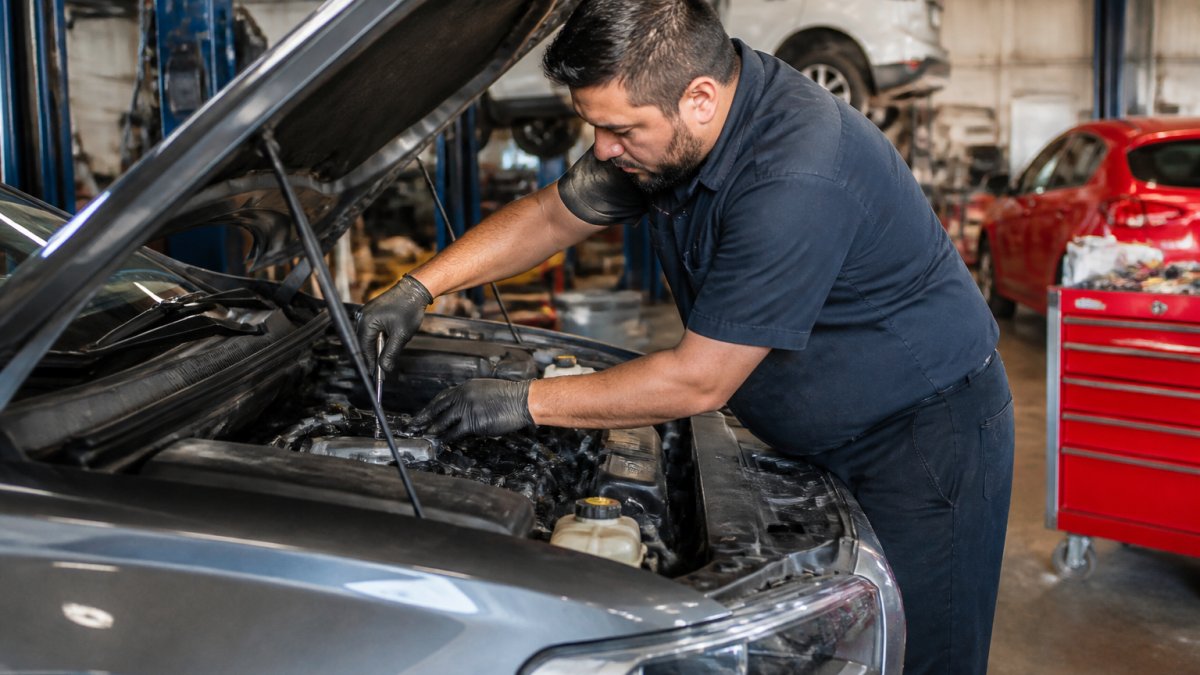
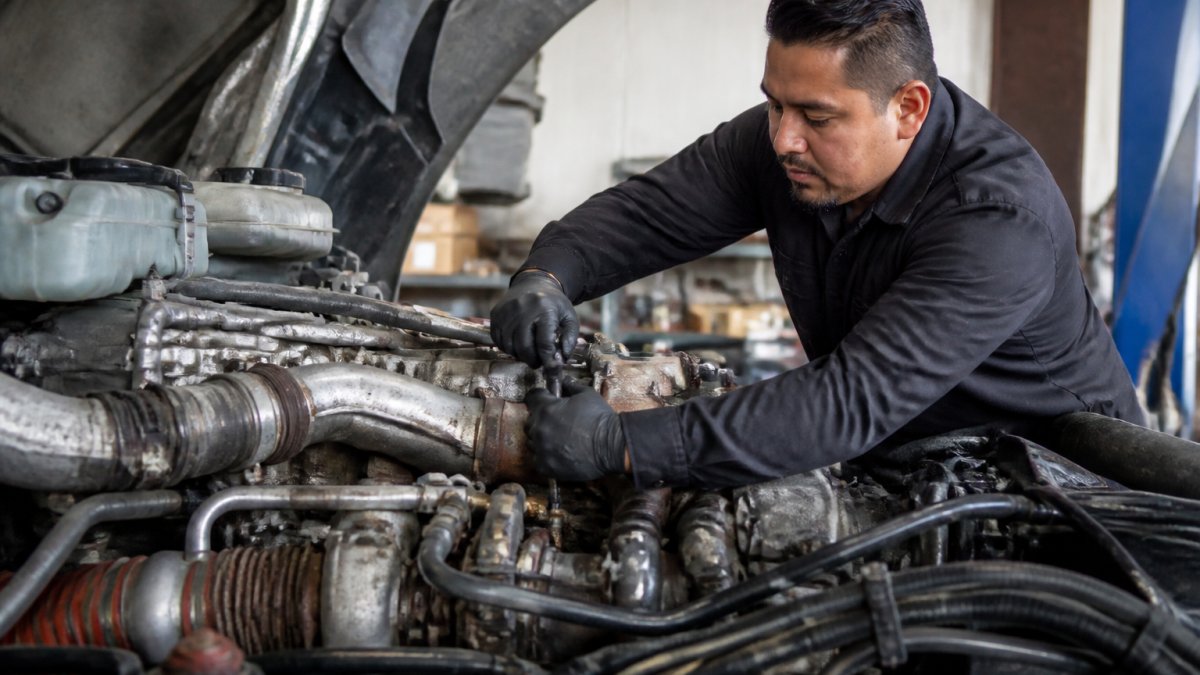
Expert hybrid vehicle repair is the specialized diagnosis, maintenance, and repair of hybrid and electric vehicle systems by technicians trained to handle high-voltage components safely. At Old Town Tire & Automotive, we've spent over 20 years working on all makes and models, including hybrids, and the difference between a shop that "will take a look" and one that's actually equipped for the job comes down to safety protocols, diagnostic tools, and certified training.

High-Voltage Safety Protocols and Diagnostic Tools
The first thing a qualified hybrid shop does is isolate the high-voltage system before touching anything else. Technicians disconnect the service plug, verify zero voltage with a meter, and use insulated gloves rated for the system's voltage. Skipping this step isn't a shortcut. It's how people get hurt.
Watch Out If a shop tells you they can service your hybrid but can't tell you what voltage their safety gloves are rated for, walk away. That's not a red flag you want to ignore.
Factory-Trained Technicians and ASE Certification
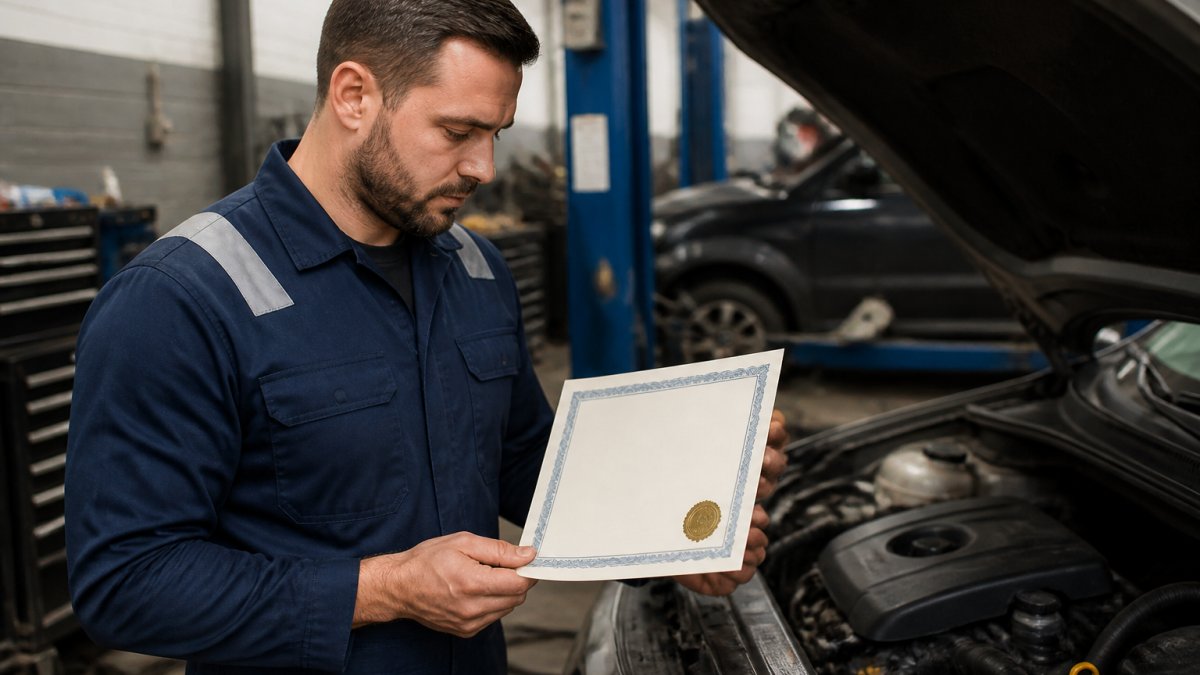
ASE certification is the baseline, not the ceiling. The National Institute for Automotive Service Excellence tests technicians on specific systems, and hybrid and EV certification is a separate credential on top of general automotive certification. A master ASE technician has passed multiple advanced exams, but that still doesn't automatically mean they're trained on your specific hybrid's high-voltage architecture.
Hybrid Vehicle Maintenance Schedule: What to Follow
A hybrid vehicle maintenance schedule follows the same core intervals as a conventional car, with a few hybrid-specific additions. Oil changes, tire rotations, brake inspections, and cabin air filters still apply. What changes is what happens under the hood and underneath the car, and why the intervals shift.
Here's a practical breakdown of what to track:
Service Item | Typical Interval | Why It Matters for Hybrids |
Engine oil and filter | Every 5,000-7,500 miles | The engine cycles on and off, so it never reaches full operating temperature on short trips. That leaves moisture and fuel dilution in the oil, which is why time-based intervals matter as much as mileage. |
Hybrid cooling fan and inverter cooling | Every 30,000 miles | Overheating damages power electronics. The inverter coolant loop is separate from the engine coolant loop on most models and is often overlooked. |
High-voltage cable and charging port inspection | Annually | Catches corrosion and insulation wear early. Insulation resistance is the failure mode that matters, not visible damage. |
Hybrid-specific fluid services | Per manufacturer spec | Wrong fluid damages the regenerative braking system and the transmission. There is no universal hybrid fluid. |
Battery health check | Annually after year 5 | Tracks battery degradation before it becomes a failure. State of health, not state of charge, is the number that predicts replacement. |
12-volt auxiliary battery | Every 3-4 years | Hybrids rely on the 12-volt battery to boot the high-voltage system. When it fails, the car won't start even with a healthy traction pack. |
Why Hybrid Intervals Differ From Conventional Cars
Three mechanisms drive the differences. First, the engine in a hybrid shuts off at stops and at low speed, so it accumulates fewer running hours per mile than a conventional engine. That can extend oil life, or shorten it, depending on how many short trips you take. Second, regenerative braking captures energy that would otherwise become heat, so brake pads wear more slowly.
Key Takeaway Mileage alone is a poor guide for hybrid maintenance. Track both mileage and time, and ask your shop to log battery state of health at every visit so you can see the trend, not just a single reading.
What to Ask For at Each Visit
At every service, request four things in writing: the battery state-of-health reading, the inverter coolant condition and level, the 12-volt battery test result, and a visual note on high-voltage cable insulation. These four data points, tracked over time, tell you more about your hybrid's health than any single inspection. A shop that can't produce them isn't tracking the systems that actually fail.
Hybrid Battery Replacement Cost: What Affects the Price
Hybrid battery replacement cost depends on the battery's size, the vehicle model, whether you choose a remanufactured or new pack, and labor rates in your area. There's no single number that applies across the board, and any shop that quotes you a flat figure over the phone without inspecting the car is guessing.
Several factors drive the final price:
Battery chemistry and capacity - Larger packs with more cells cost more to replace
New vs. remanufactured vs. reconditioned - Each option carries a different price and lifespan
Labor complexity - Some models require dropping the rear subframe; others are more accessible
Warranty coverage - A pack with a longer warranty costs more upfront
Reconditioning vs. Full Replacement
Reconditioning restores a battery pack by testing individual cells, replacing the weak ones, and rebalancing the pack. It costs less than a full replacement and can extend the pack's usable life. The catch: it only works if the pack's overall structure is still sound. If multiple modules show significant degradation, reconditioning is a temporary fix, not a solution.
Pro Tip Ask any shop whether they test individual cell voltages before recommending reconditioning. If they can't show you the numbers, they're guessing, and you'll likely be back within a year.
ASE-Certified Hybrid Mechanics: Why Certification Matters
ASE-certified hybrid mechanics have passed standardized exams covering high-voltage safety, battery systems, and electric motor diagnostics. The certification is a verified signal that a technician has demonstrated competence on the systems your vehicle depends on.
Common Hybrid System Repairs and Warning Signs
The most common hybrid repairs we see involve the battery pack, the inverter cooling system, the regenerative braking system, and the DC-to-DC converter. Each has warning signs you shouldn't ignore.
Battery degradation: Reduced electric-only range, slower acceleration, frequent engine cycling
Inverter cooling failure: Overheating warnings, reduced power output, coolant leaks
Regenerative braking issues: Reduced braking feel, warning lights, uneven brake wear
DC-to-DC converter failure: Accessory electronics behaving oddly, 12-volt battery draining
DIY vs. Professional Repair Risks
DIY hybrid repair carries risks that don't exist on conventional vehicles. The high-voltage system can kill you if you don't follow proper isolation procedures. Beyond safety, DIY repairs often void warranties, and a misdiagnosed repair can damage components that were previously fine.
Albuquerque Climate and Hybrid Vehicle Performance
Most hybrid repair guides treat climate as an afterthought. Here, it's the single biggest variable in how long your battery pack and cooling system last. Two forces do the damage: sustained summer heat and high altitude.
How Heat Degrades Hybrid Batteries
Lithium-ion and nickel-metal hydride packs both age faster at high temperatures. The mechanism is chemical: heat accelerates the side reactions that permanently reduce a cell's capacity to hold charge. A pack that would lose a few percent of capacity per year in a mild climate can lose noticeably more when it regularly sits in triple-digit ambient temperatures. The damage compounds because a hot pack also has to work harder to cool itself, which draws more power and generates more heat.
What this means in practice:
Parking matters. A shaded garage or covered carport keeps the pack cooler than direct sun, and the difference shows up in state-of-health readings over several years.
Charge timing matters. Charging a hot pack adds heat on top of heat. Where a vehicle supports it, charging overnight when ambient temperatures drop is easier on the battery than charging immediately after a long drive.
Cabin cooling matters. Running the air conditioning hard on a hot day pulls power from the pack and adds load to the thermal management system. Pre-cooling while still plugged in shifts some of that load off the battery.
How Altitude Affects Hybrid Cooling
At higher elevations, air is less dense. Less dense air carries less heat away per cubic foot, so any air-cooled component, the battery cooling fan, the inverter heat sink, the radiator, has to move more air to do the same job. That means the cooling fan runs more often and at higher speed, which shortens its service life and makes a clogged or failing fan a more common failure here than at lower elevations.
Temperature Swings and Electrical Connections
Seasonal temperature swings stress electrical connections. Metal expands and contracts, and over many cycles that movement can loosen terminals and crack insulation on high-voltage cables. Corrosion follows, especially on terminals exposed to dust and temperature cycling. This is why an annual high-voltage cable and charging port inspection is not optional here, it's the cheapest way to catch a problem before it becomes an intermittent fault that's hard to diagnose.
Watch Out If you notice reduced electric-only range, a cooling fan that runs constantly, or a battery that seems to lose charge faster in summer, don't wait for the next scheduled service. Those are early signals that heat is already affecting the pack or its cooling system.
Matching Maintenance to Local Conditions
Sustainable automotive care means matching your maintenance to your actual driving conditions, not a generic schedule printed in a manual. For local drivers, that means annual battery state-of-health checks after year five, annual high-voltage cable inspections, and a cooling-system inspection on a tighter interval than the manual lists.
Conclusion
Hybrid ownership comes with real advantages and real maintenance responsibilities. Finding a shop that's actually equipped to handle high-voltage systems is important.
Frequently Asked Questions
Is it expensive to repair a hybrid car?
Repair costs vary widely based on the issue. Minor services like fluid changes or software updates are similar to conventional cars. Major repairs, such as hybrid battery replacement, cost more because of the technology involved. However, many hybrid components last longer than traditional parts, and some repairs are covered under extended warranties. For an accurate estimate, have a certified technician inspect your specific vehicle.
Are hybrid cars difficult to repair?
Hybrids are more complex than gas-only cars because they combine a gasoline engine with an electric motor and a high-voltage battery. This complexity requires specialized training and equipment. A technician who is not trained on high-voltage systems should not attempt repairs. ASE-certified hybrid mechanics have the knowledge to safely diagnose and fix these vehicles without risking injury or further damage.
Can anyone service a hybrid car?
No. Hybrid vehicles contain high-voltage electrical systems that can be dangerous if handled incorrectly. Only technicians with specific hybrid training and the right safety gear should work on them. Even routine maintenance, like oil changes, can be risky if the technician does not understand how to safely disable the high-voltage system. Always choose a shop with proven hybrid experience.
What are the common signs that a hybrid battery needs replacement?
Watch for reduced fuel economy, frequent engine cycling, warning lights on the dashboard, and a noticeable drop in acceleration. The battery may also struggle to hold a charge, causing the gas engine to run more often. If you notice these signs, have the battery tested by a professional. Early diagnosis can sometimes allow reconditioning instead of a full replacement.
Request Appointment