Is Your High-Mileage Fleet Due for a Checkup?
Last Updated: November 3, 2026
Quick Summary
Fleet vehicle maintenance for high mileage vehicles means shifting from fixed, mileage-based intervals to a condition-based plan that accounts for wear, duty cycle, and accumulated component fatigue. A high-mileage fleet should shorten service intervals for severe duty, complete a thorough 100,000-mile service, and track cost per mile to decide when to repair or replace.
Drivers should run a six-item, five-minute walk-around before every shift and report findings.
Technicians should perform monthly checks of fluids, belts, hoses, battery, brakes, air filter, and tire wear.
Idle-heavy fleets should schedule service by engine hours rather than odometer miles.
Red flag signs like oil pressure lights, overheating, or brake failure mean stop driving and call for towing.
Group services into one visit to reduce downtime and labor overlap as vehicles age.
Table of Contents
Why High-Mileage Fleet Vehicles Need a Different Maintenance Approach
A vehicle past 100,000 miles is not a worn-out vehicle. It is a vehicle with a different maintenance profile.
Fleet vehicle maintenance for high mileage vehicles is the practice of shifting from fixed, mileage-based service intervals to a condition-based plan that accounts for wear, duty cycle, and accumulated component fatigue.
The core difference comes down to three things:
Wear accelerates unevenly. Components age at different rates depending on load and driving conditions.
Intervals need adjusting. Manufacturer recommendations assume average use, not commercial duty.
Small failures compound. A worn belt or low fluid can cascade into a major repair.
Below, we break down exactly how to build a plan that keeps older vehicles productive.
Your High-Mileage Vehicle Maintenance Checklist
A high-mileage vehicle maintenance checklist is the backbone of any fleet maintenance schedule. The checklist splits into two rhythms: daily driver checks and monthly technician-level inspections. Both feed your maintenance records and drive scheduling decisions.
Daily Driver Walk-Around
Drivers are your first line of defense. A five-minute walk-around before each shift catches problems before they become breakdowns. Give every driver this routine:
Walk the vehicle and look for leaks, fresh stains, or hanging parts.
Check all tires for visible wear, bulges, or low sidewalls.
Test all lights: headlights, brake lights, turn signals, hazards.
Look at the windshield for cracks and check wiper condition.
Note any new sounds, smells, or dashboard warning lights.
Report findings on a simple form or app before pulling out.
The thing nobody tells you about daily checks: they fail when the form is complicated. Keep it to six items and one minute of writing.
Monthly Under-Hood and Under-Vehicle Checks
Once a month, a technician or trained staff member should check the items drivers cannot safely reach:
Fluid levels: engine oil, coolant, brake fluid, power steering, transmission fluid.
Belts and hoses: look for cracks, glazing, soft spots, and loose clamps.
Battery condition: test voltage and inspect terminals for corrosion.
Brake inspection: measure pad thickness and check rotors for scoring.
Log every result. A maintenance record with dates and readings is what lets you spot a trend before it becomes a failure.
Building a Fleet Maintenance Schedule That Matches Mileage and Duty Cycle
The biggest mistake with fleet maintenance schedules is copying the manufacturer's "normal duty" table and calling it done.
A workable schedule matches three variables at once: vehicle class, mileage tier, and duty cycle. Start with the framework below, then adjust using the severe-duty rules that follow.
Vehicle Class | Mileage Tier | Oil and Filter Interval | Key Watch Items |
Light-duty sedans and cargo vans | Under 100,000 | Manufacturer normal-duty interval | Tires, brakes, fluids, battery |
Light-duty sedans and cargo vans | 100,000-150,000 | Shorten to severe-duty interval; high-mileage engine oil | Belts, hoses, suspension, cooling system |
Light-duty sedans and cargo vans | 150,000+ | Severe-duty interval plus oil analysis at every other change | Transmission, cooling system, suspension, charging system |
Heavy-duty pickups and chassis-cab trucks | Any mileage | Severe-duty interval; schedule by engine hours when idle-heavy | Brakes, driveline, coolant, diesel exhaust fluid and emissions hardware |
Step vans and box trucks | Any mileage | Severe-duty interval; inspect brakes and tires monthly | Brakes, tires, driveline, cooling system, door and lift hardware |
Use the table as a starting point, then apply these adjustment rules:
Shorten intervals for stop-and-go routes, heavy loads, extended idling, extreme temperatures, dust, or frequent short trips that never bring the engine to full operating temperature.
Lengthen intervals only when oil analysis and inspection records support it. Do not extend on the assumption that synthetic oil covers everything.
Track mileage and engine hours. Idle-heavy fleets, utility, delivery, and service bodies with power take-off equipment, should schedule by hours, not miles, because idling accumulates wear without adding odometer miles.
Separate the schedule by vehicle class. A cargo van and a box truck at the same mileage do not share the same wear profile; brakes, tires, and driveline components on the heavier vehicle work harder and should be inspected more often.
Severe-duty operation is the variable most fleets underestimate. Idling, stop-and-go delivery, towing, extreme temperatures, dust, and short trips all accelerate wear beyond what the odometer shows.
Many fleets find that telematics-based maintenance triggers, which flag service based on actual engine data rather than a calendar, reduce both over-servicing and missed service.
What a 100,000-Mile Vehicle Service Should Cover

A 100,000-mile vehicle service is the most important service milestone in a fleet vehicle's life. It is the point where wear items that lasted the first 100,000 miles reach the end of their design life. Skipping it is how a reliable vehicle becomes an unreliable one.
A thorough 100,000-mile service should cover:
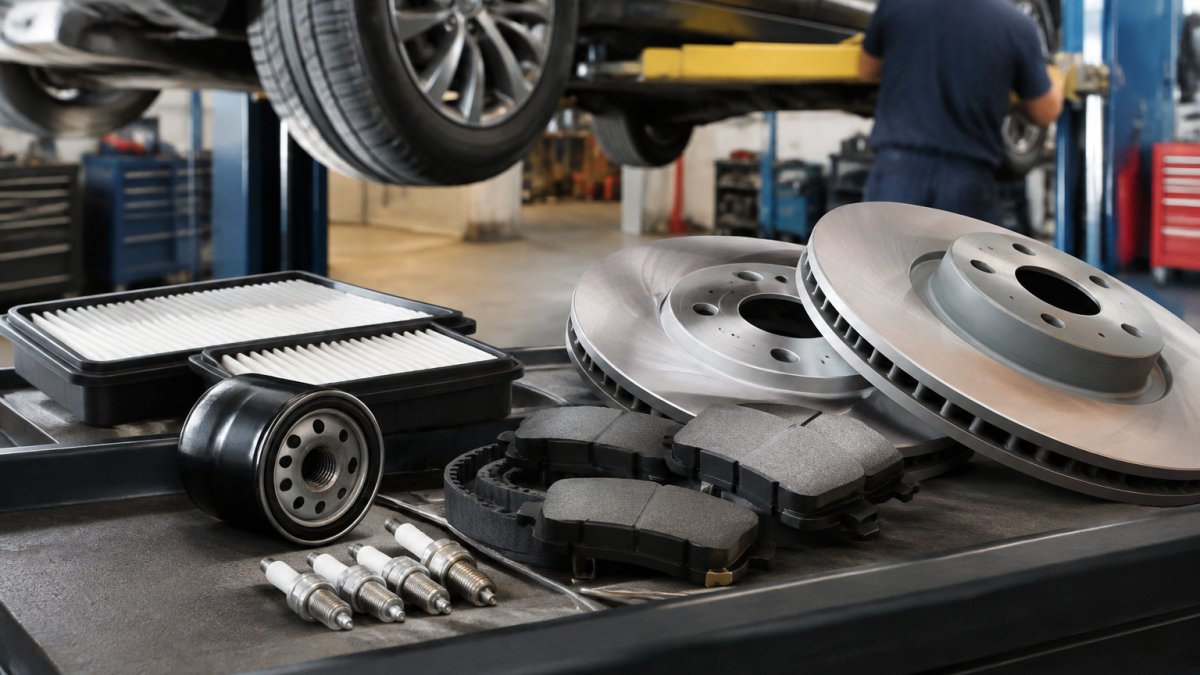
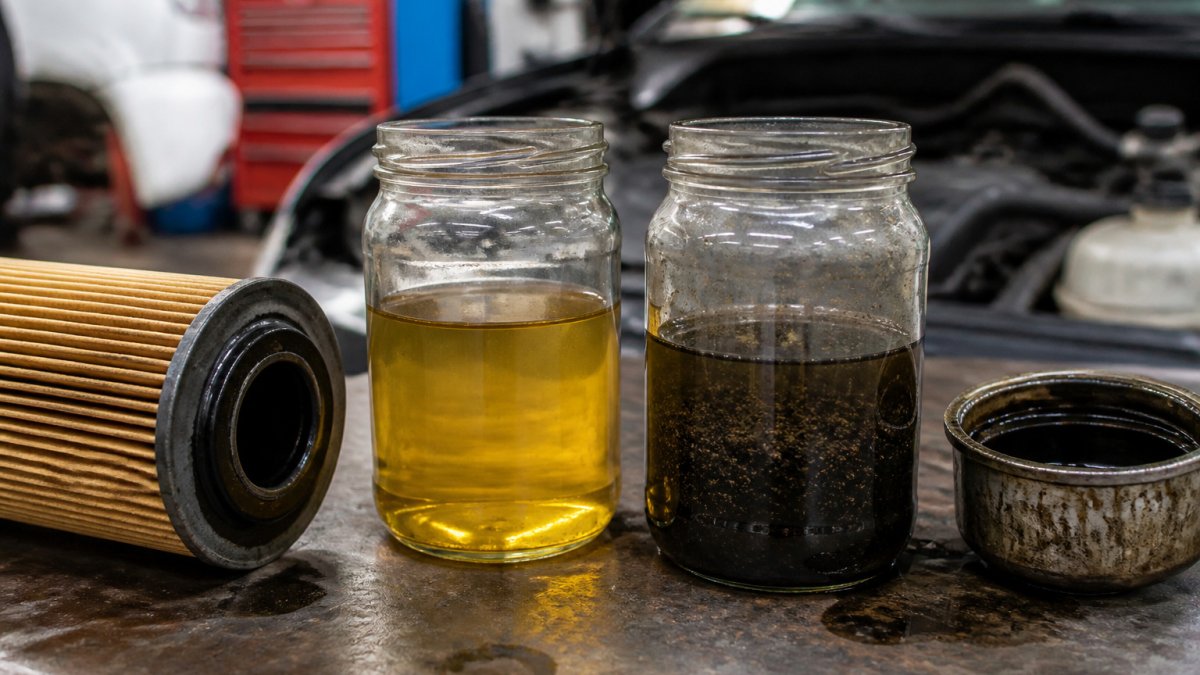
Engine oil and oil filter: switch to high-mileage engine oil formulated for older engines.
Air filter and cabin filter: replace both; restricted airflow hurts fuel economy.
Coolant: drain and refill; inspect the radiator, water pump, and hoses.
Transmission fluid: many manufacturers now recommend service at this interval.
Fleet Vehicle Breakdown Prevention: Warning Signs and Escalation Rules
Fleet vehicle breakdown prevention depends on two things: drivers who know what to report, and clear rules for when a vehicle stops being driven. Most breakdowns announce themselves first. The failure is not spotting the signs; it is having no escalation rule, so a driver keeps going and turns a small repair into a roadside emergency.
Train drivers to report these signs immediately:
New or worsening noises: grinding, squealing, knocking, or whining.
Dashboard warning lights, especially oil pressure, temperature, or battery.
Fluid leaks or unusual smells, such as burning rubber or sweet coolant.
Soft or spongy brakes, or a pedal that sinks.
Then set escalation rules:
Red flag signs (oil pressure light, overheating, brake failure): stop driving and call for towing.
Yellow flag signs (new noise, minor leak, warning light): schedule inspection within 48 hours.
Green flag signs (cosmetic issues): log and address at next scheduled service.
If a vehicle does break down, drivers should know the safety basics: pull off the road, turn on hazards, stay in the vehicle when safe, and call for help. Our safety guide for roadside breakdowns walks drivers through what to do step by step.
Repair or Replace? Using Cost per Mile to Decide
The repair-versus-replace question is the hardest decision in high-mileage fleet management. The answer is not "replace at 150,000 miles" or "keep it forever." It is a framework built on cost per mile, downtime, resale value, and remaining service life.
Here is how we walk fleet owners through it:
Total your annual costs for the vehicle: maintenance, repairs, tires, fuel, insurance, and downtime. Put a dollar figure on downtime by multiplying lost revenue or replacement-rental cost by the days the vehicle was out of service.
Divide by annual miles driven. That is your cost per mile.
Compare against a replacement. Estimate the cost per mile of a newer vehicle, including the payment, insurance, fuel, and projected maintenance over the same period.
Set a threshold. When repairs plus downtime push a vehicle's cost per mile above the replacement's, replacement wins.
A repair that costs more than the vehicle's remaining value is usually a signal to replace. A repair that keeps a sound vehicle running for another year at a low cost per mile is usually money well spent. The judgment call is in the middle, and that is where a structured escalation rule helps:
Repair now when the fix restores the vehicle to service at a cost per mile below the replacement threshold and the component is not part of a pattern of repeat failures.
Repair and re-evaluate when the fix is moderate but the vehicle is approaching a known major-service milestone, such as a transmission service or cooling-system overhaul. Budget for the milestone and decide before it arrives, not after.
Retire when repair frequency is rising, downtime is climbing, resale value is falling faster than the repair cost, or the vehicle's remaining service life no longer covers the payback period on the repair.
Two factors fleets often leave out of the math: resale value and remaining service life. A vehicle with strong resale value and a clear role for another two or three years can justify a repair that looks expensive on cost per mile alone. A vehicle with weak resale value and a shrinking role in the fleet rarely does.
Budgeting and Parts Planning for Aging Vehicles
Aging vehicles do not fail on a convenient schedule. Budgeting and parts planning turn surprise repairs into planned expenses.
Start with a per-vehicle maintenance budget based on your own service history. If a vehicle has averaged a certain annual maintenance spend, budget slightly above that as it ages. Then plan parts by wear cycle:
Consumables (oil, filters, fluids, wipers): stock or schedule in bulk.
Wear items (brakes, tires, belts): track remaining life and replace before failure.
Major components (transmission, cooling system, suspension): inspect at every service and budget for replacement as mileage climbs.
Two habits make this work. For more on keeping costs down as vehicles age, see our guide to avoiding unnecessary car repairs. First, keep maintenance records for every vehicle so you can see trends. Second, group services. When a vehicle is in for an oil change, handle any due inspection or wear item in the same visit.
Schedule a Fleet Inspection at Old Town Tire & Automotive
Old Town Tire & Automotive is a family-owned shop with over 20 years of experience and master ASE-certified technicians.
Old Town Tire & Automotive can service fleet vehicles. We also offer secure night drop-off for after-hours service and towing support.
Get started with Old Town Tire & Automotive and keep your high-mileage fleet on the road, on schedule, and out of the breakdown lane. Visit our fleet services page to book your inspection.
Frequently Asked Questions
What maintenance should be done at 200,000 miles on a fleet vehicle?
At 200,000 miles, repeat the 100,000-mile service items and add a compression or leak-down test, a cooling-system pressure test, and a close look at suspension bushings, engine mounts, and steering components. Replace all fluids on the severe-duty interval, inspect the timing belt or chain per the manufacturer's recommendation, and check the alternator and starter. Any vehicle showing metal in the oil or a persistent check-engine light should get a diagnostic scan before the next dispatch.
How often should high-mileage fleet vehicles be inspected?
Run a driver walk-around every day before the first trip, a documented shop inspection every 5,000 to 7,500 miles or at each oil change, and a full bumper-to-bumper inspection every 30,000 miles. Vehicles past 150,000 miles or operating in severe-duty conditions should move to the shorter end of those intervals. Pair the schedule with mileage tracking so inspections trigger on odometer readings, not just calendar dates.
How can fleet managers reduce breakdowns in older vehicles?
Three practices do most of the work: enforce daily driver reporting so small issues surface early, replace wear items like belts, hoses, and batteries on a mileage schedule instead of waiting for failure, and act on warning signs such as new noises, fluid spots, or a soft brake pedal within 24 hours. Tracking cost per mile and unplanned repair frequency tells you which units are becoming liabilities before they strand a driver.
When should a high-mileage fleet vehicle be replaced?
Replace when annual repair costs approach or exceed a year of payments on a replacement, when downtime starts costing more than the repair, or when a unit fails safety inspections repeatedly. Cost per mile is the clearest signal: compare each vehicle's repair and operating cost per mile against your fleet average. A vehicle running well above the average for two consecutive quarters is usually cheaper to replace than to keep.